
Covering AMSTRO 2026: Event Photography and Videography for a 3-Day Oncology Conference in Dubai
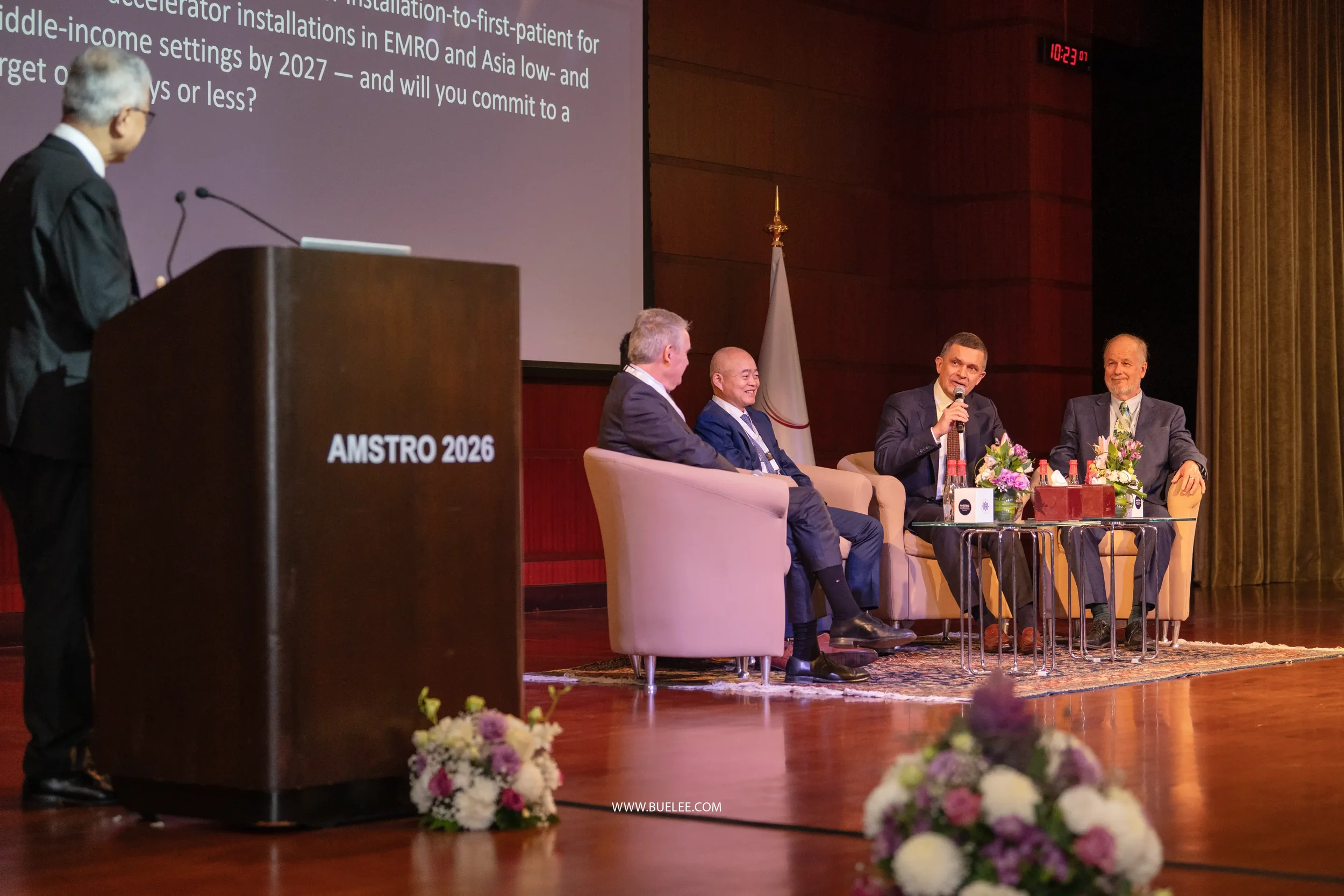
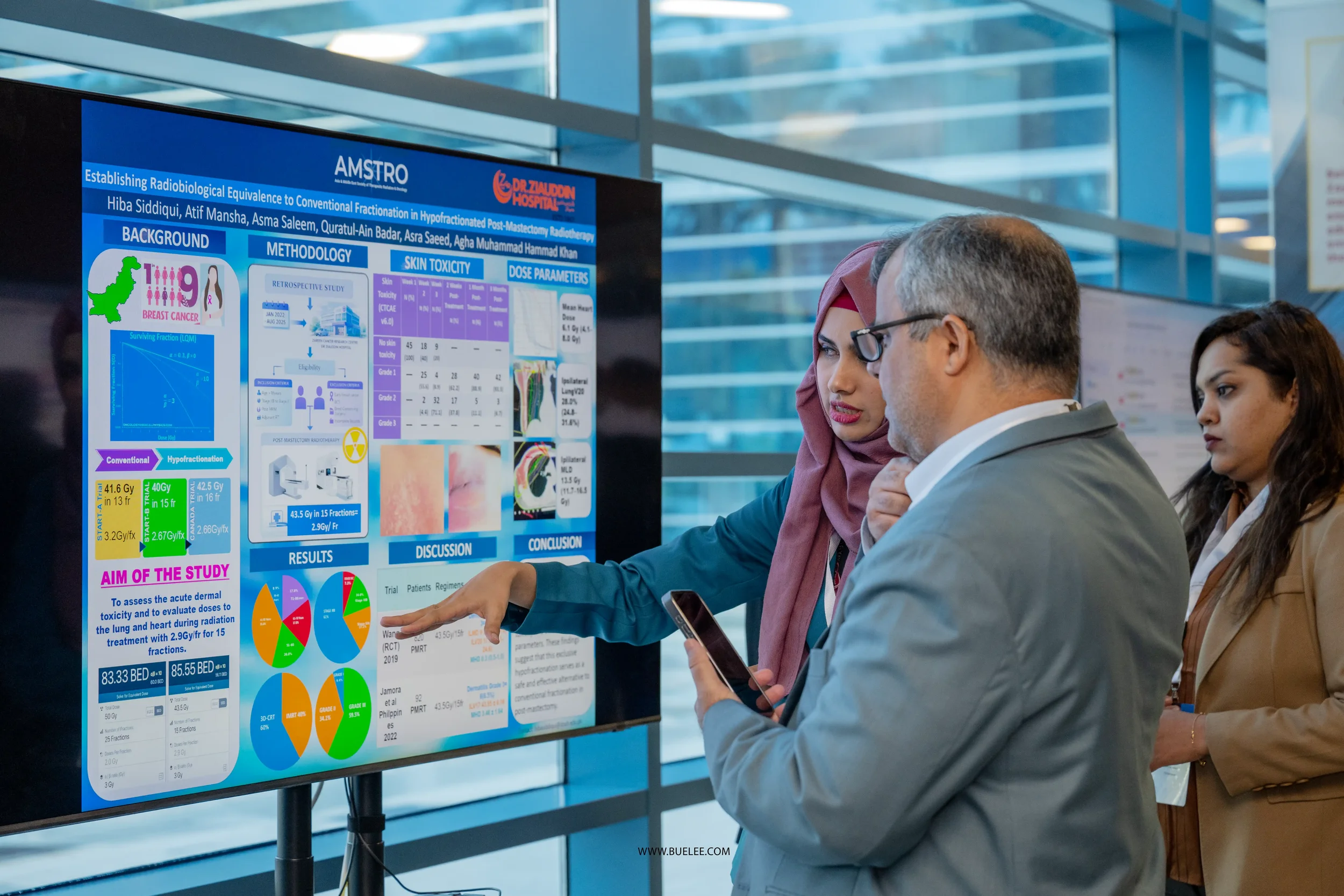
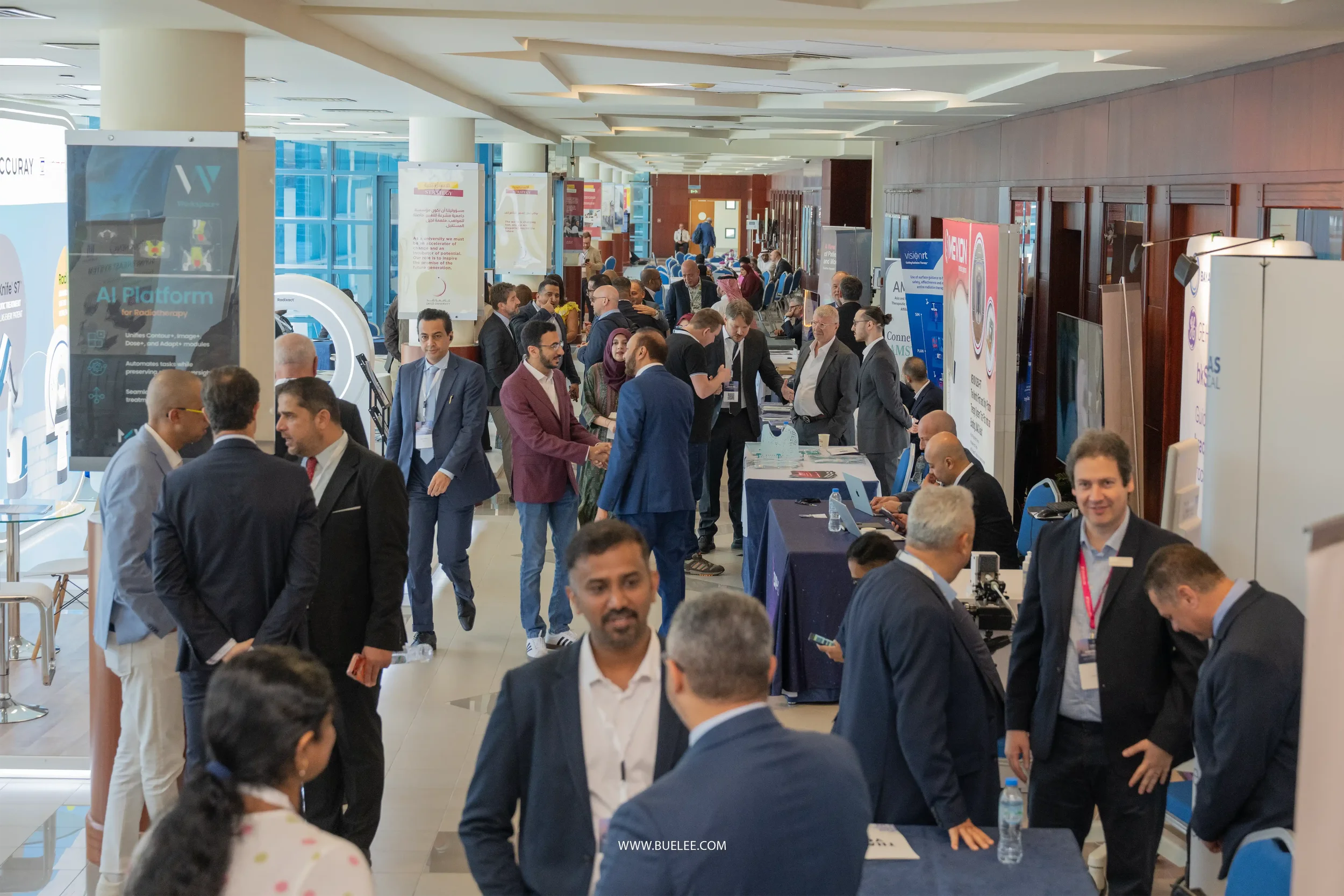
Some events test a photography and videography team more than others. AMSTRO 2026, the Global Oncology Conference organized by the Asia and Middle East Society for Therapeutic Radiation Oncology, was one of them. Held over three days at the Zayed University Convention Center in Dubai, the conference brought together radiation oncologists, medical physicists, radiation therapists and researchers from across Asia and the Middle East under the theme “Shaping the Future of Cancer Care: Regional Voices, Global Collaboration.” Bu Elee Creative Studios was brought on by the organizing team to deliver full event coverage — photography, on-camera interviews, and video highlights — across all three days.
As a corporate photographer in Dubai, we've covered plenty of conferences. What made AMSTRO different was the structure of the programme itself, and that's what this post is really about: how a small, well-briefed team handles an event where the schedule doesn't leave room for a second take.
The Brief: One Event, Several Rooms, No Downtime
AMSTRO wasn't a single-stage conference. Plenary sessions, invited speaker lectures and multidisciplinary committee sessions ran across different meeting rooms simultaneously, each with its own moderator, speaker line-up and audience. Add to that a run of scheduled one-on-one interviews with visiting researchers and clinicians, and you get a programme that started early and didn't let up for roughly twelve hours a day, three days running.
For an event photography and videography team, that kind of structure changes the entire planning conversation. It's no longer “where do we stand for the best shot” — it's “which room needs us most in the next fifteen minutes, and how do we get there without walking through a live session.” Corporate event photography in Dubai often deals with single-track programmes where a photographer can follow the day from front row to back. AMSTRO required us to treat it more like a newsroom than a single shoot: constant triage, tight handoffs, and a shot list that had to flex in real time.
Building a Team for Parallel Coverage
You can't cover concurrent sessions in different rooms with one person, so we didn't try. We split the assignment across a multi-person crew — dedicated photography and videography coverage running in parallel, rather than one photographer doubling as videographer between rooms. That split mattered for two reasons.
First, it meant every room that had a scheduled highlight — a keynote, a panel discussion, a notable interview — had a photographer and videographer physically present at the right time, rather than relying on one person sprinting between floors. Second, it let our video team commit to full, uninterrupted camera setups for interviews and keynote sessions instead of shooting handheld between other duties. Wireless audio, consistent framing and reliable lighting on a moving schedule are hard to deliver if the same person is also responsible for stills two rooms away.
Coordination ran on a live schedule that mapped every session, interview slot and room change across all three days. Each member of the team knew not just where to be, but what was happening in the other rooms at the same time, so coverage could be redirected the moment a session ran long or a speaker's slot moved — which, on a three-day multidisciplinary conference, happens more often than any printed agenda suggests.
What a Twelve-Hour Day Actually Looks Like
Doors typically opened early, and by the time the first plenary session started, both rooms were already covered. From there, the day ran in blocks: a session in Room A, a parallel committee meeting in Room B, a scheduled interview in the media area, then a room change as the next set of sessions began. None of these blocks lined up neatly — a session that overran by ten minutes could push the next interview slot, which then meant a video setup had to be struck and rebuilt faster than planned.
The only way to hold that together over three consecutive twelve-hour days is to plan conservatively and execute tightly. We built in buffer time around every room change, kept spare batteries, cards and audio kits pre-packed for fast redeployment, and ran a shared schedule so that if one part of the team fell behind, the rest could adjust without losing coverage elsewhere. It's the same discipline we bring to any multi-day corporate event in Dubai, just compressed into a tighter footprint because of how many things were happening in parallel.
Interviews, Back to Back
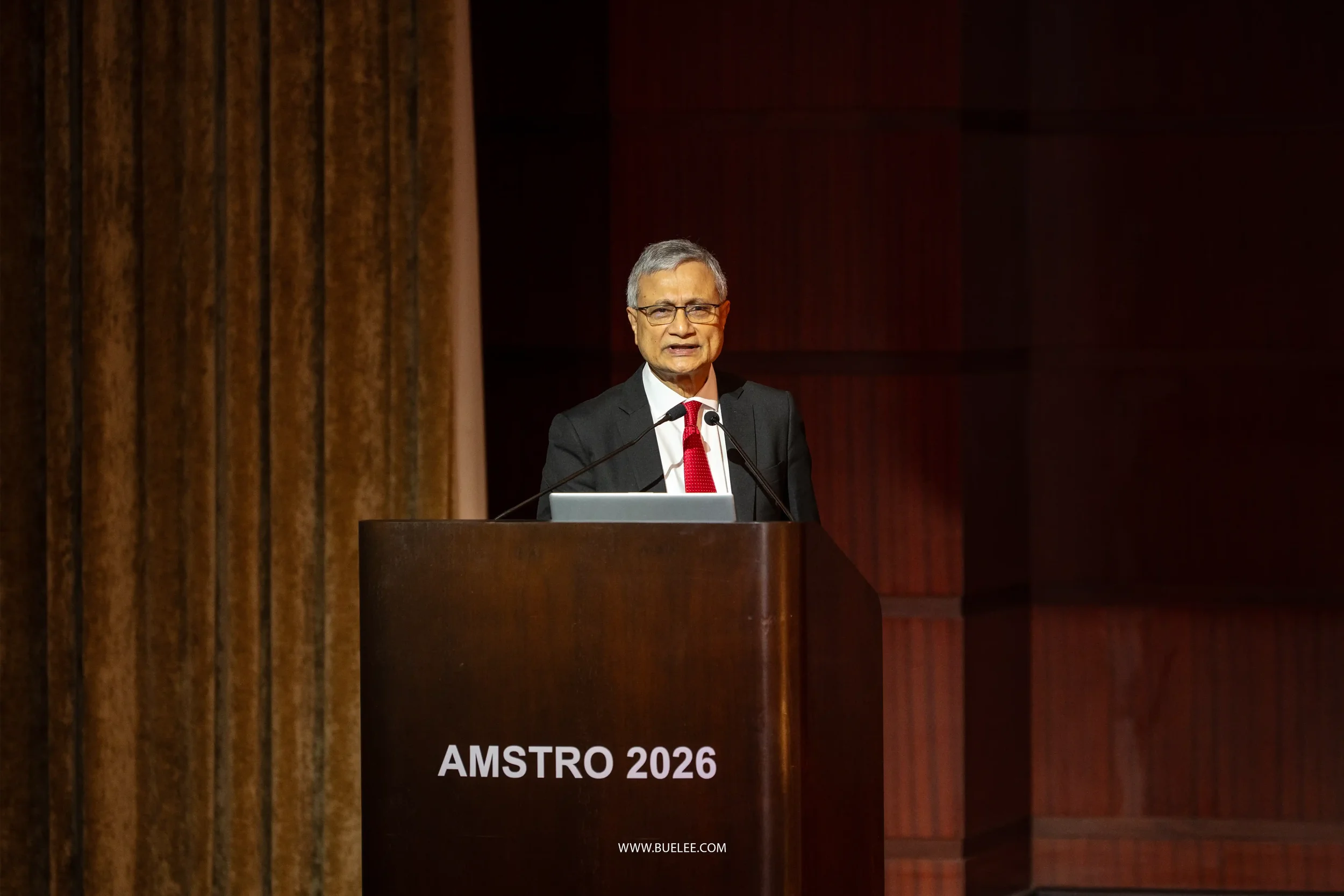
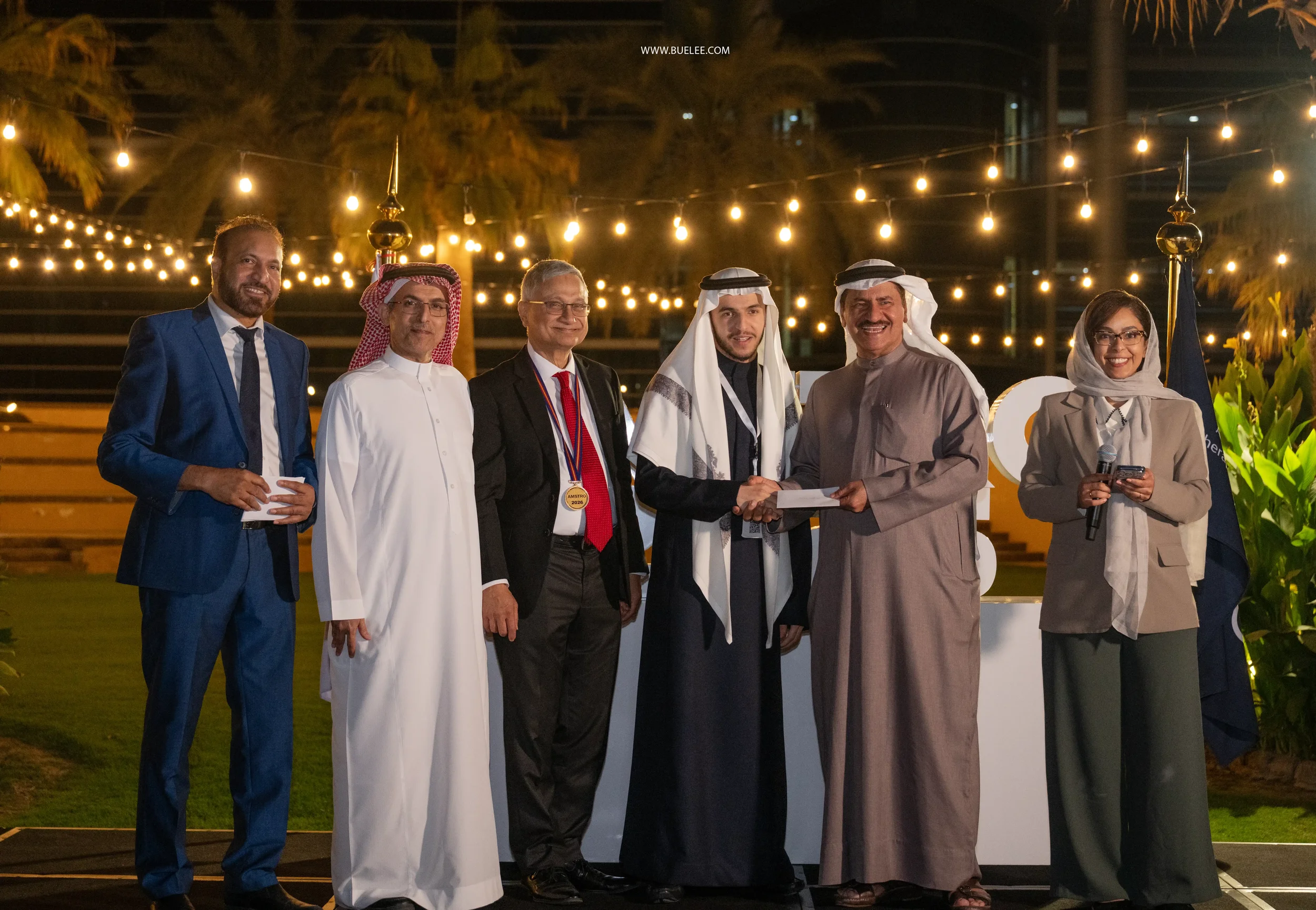
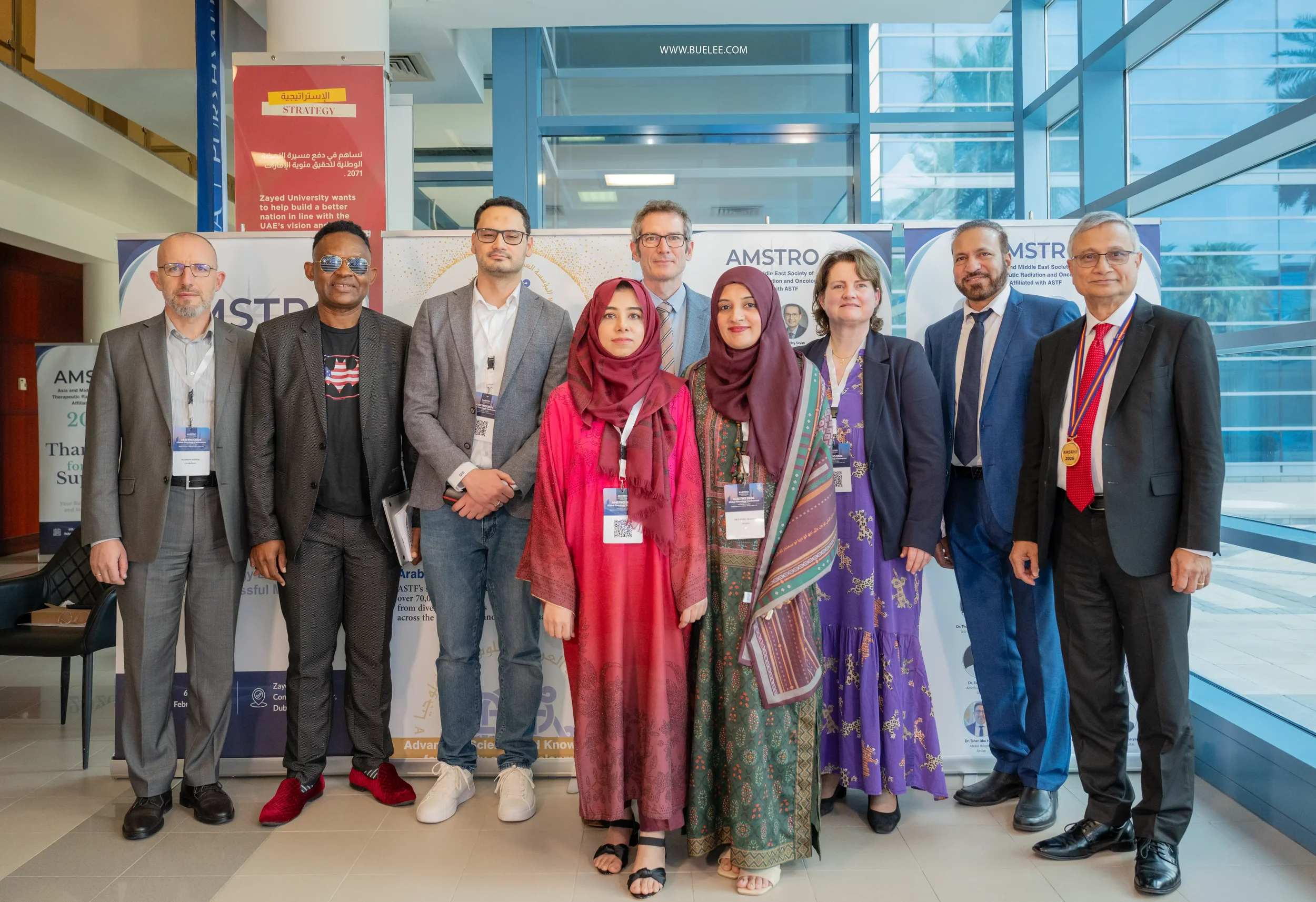
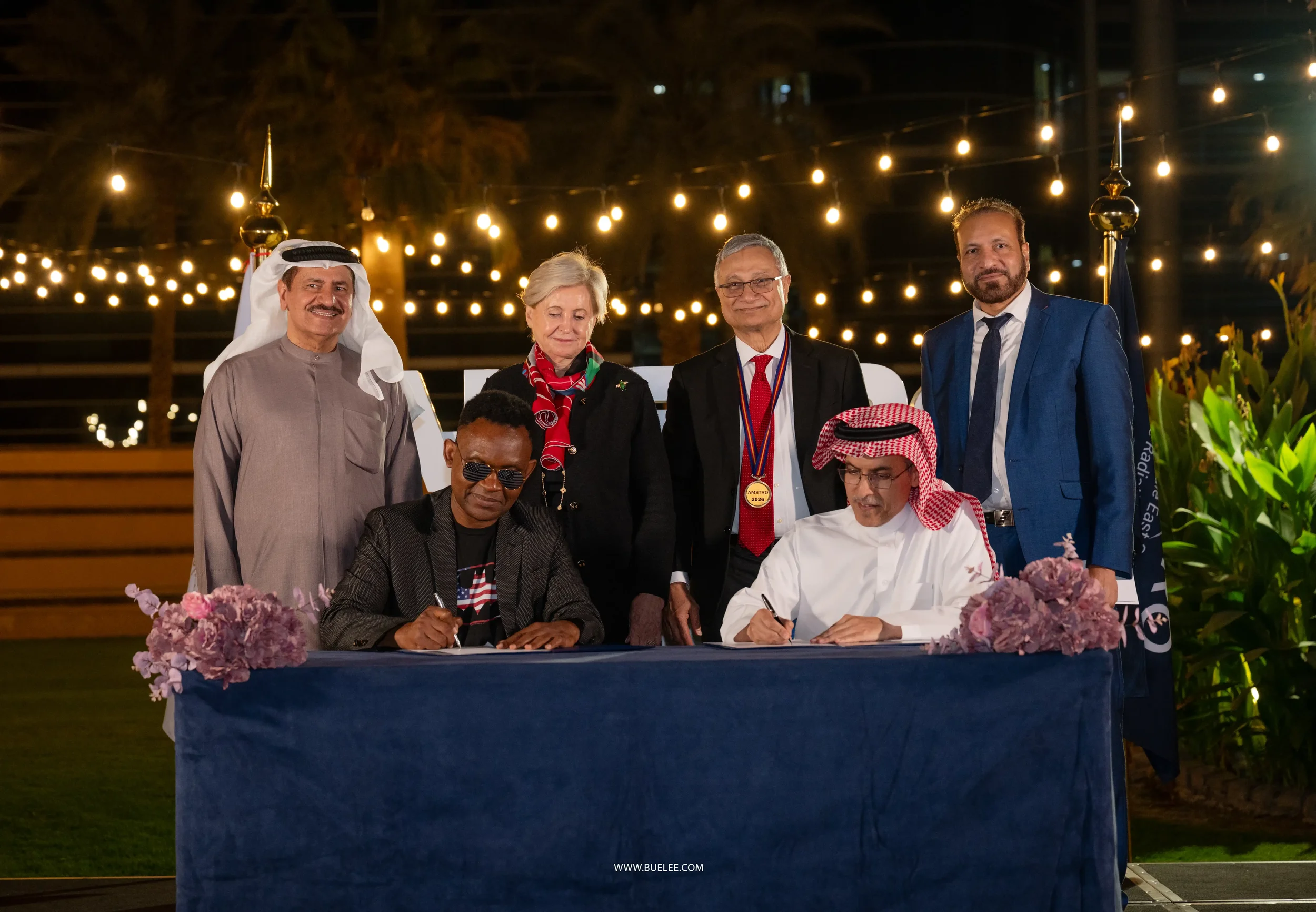
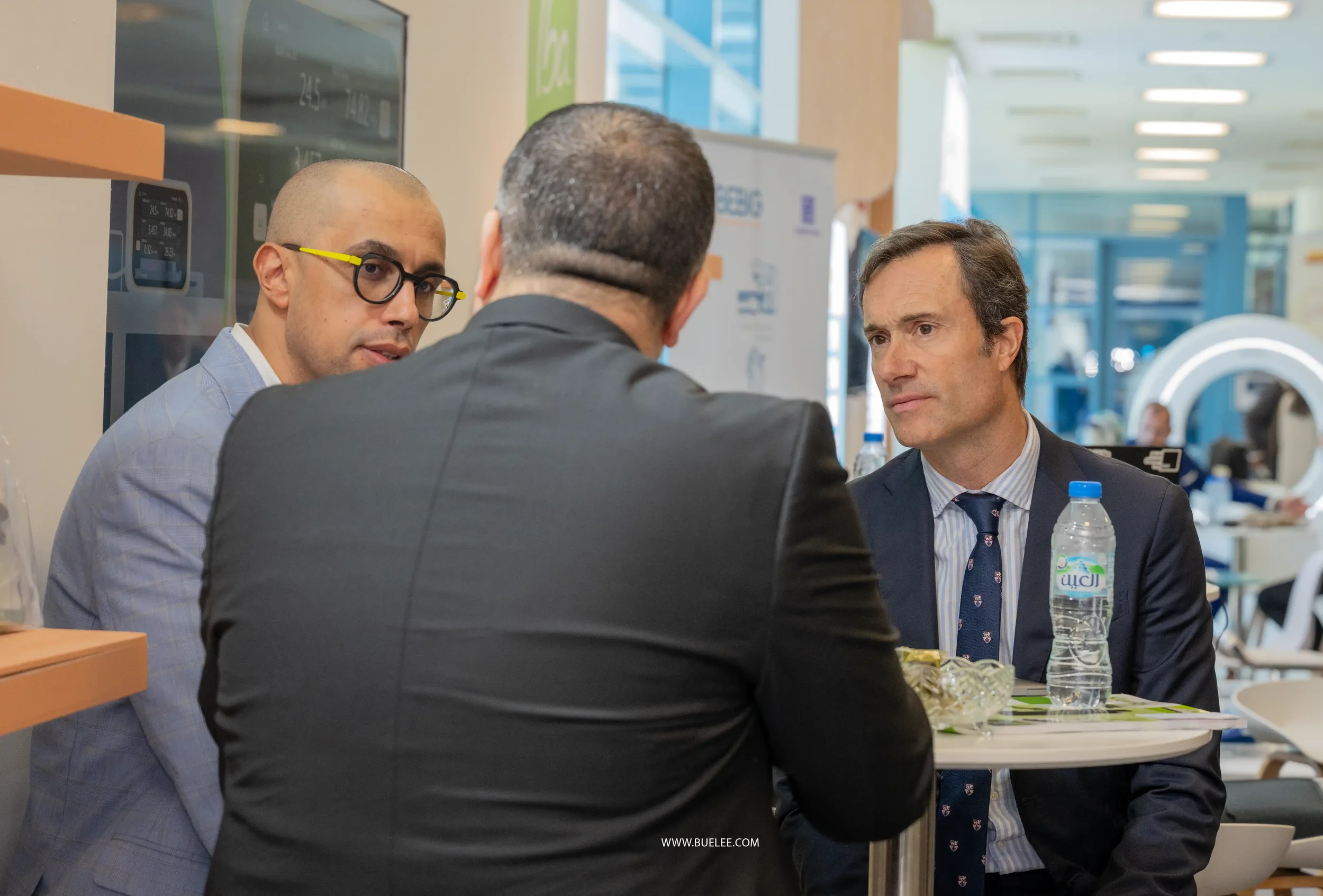
Alongside session coverage, AMSTRO 2026 included a full slate of on-camera interviews with researchers, clinicians and delegates visiting from across Asia and the Middle East. These ran back to back, often in short windows between sessions, in a separate space from the main conference rooms.
That's a different discipline from covering a keynote. Each interview needed a quick reset — lighting checked, audio tested, framing confirmed — in the few minutes before the next guest arrived, while a completely different session was still running elsewhere in the building. Our video team worked interview blocks as their own mini-production line: set once, shoot consistently, and keep the transitions between guests fast enough that the schedule never had to wait on the crew.
Editing on a Rolling Deadline
Coverage doesn't end when the cameras stop for the day. With three days of parallel sessions and interviews, the volume of material adds up fast, and organizers running a conference like this often want to see coverage from Day One while Day Two is still in progress — for same-day social posts, internal updates, or simply reassurance that key moments were captured. Our workflow builds that in: photos are culled and a first pass delivered quickly after each day wraps, while full edits of interviews and video highlights are finished once the full three-day set is complete and can be reviewed as a whole rather than cut piecemeal.
A VVIP Keynote and the Protocol That Comes With It
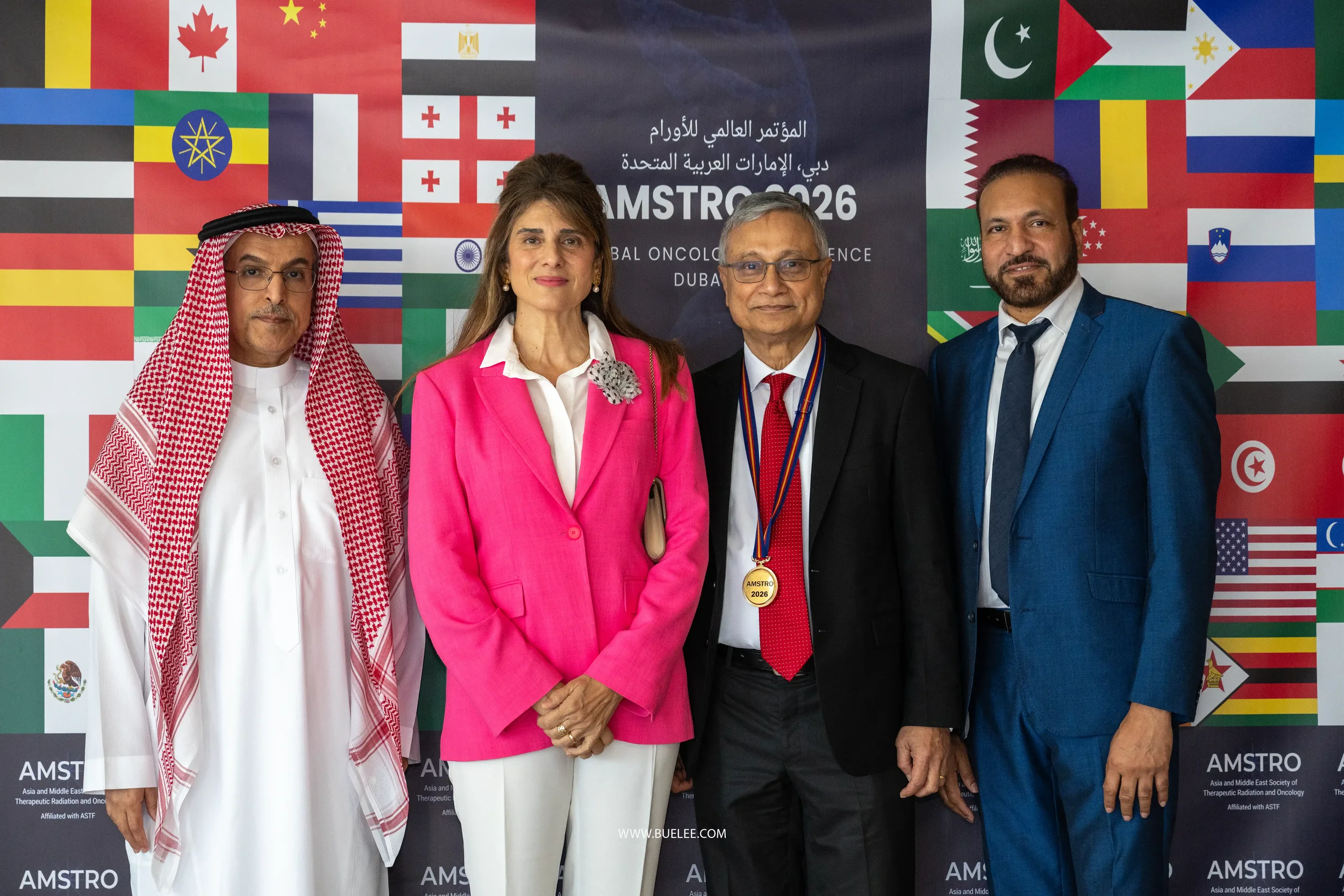
AMSTRO 2026 carried extra weight because of who was in the room. Her Royal Highness Princess Dina Mired of Jordan, former President of the Union for International Cancer Control, was among the keynote speakers — a reflection of how significant this inaugural conference was for the region's oncology community.
Covering a VVIP keynote adds a layer that ordinary corporate event photography and videography doesn't require. Positioning has to be agreed and confirmed with the organizing and security teams in advance, movement during the session is minimal and deliberate, and every shot has to be planned rather than improvised, since there's no second attempt at a keynote entrance or a handshake moment. Our team coordinated directly with the organizers ahead of the session to confirm sightlines, camera positions and movement windows, so coverage of the keynote was secured without disrupting protocol or drawing attention away from the moment itself.
What We Delivered
By the close of the third day, coverage of AMSTRO 2026 included full photographic documentation of plenary sessions, panel discussions and the keynote programme; a series of on-camera interviews with visiting researchers and clinicians; and video highlights capturing the atmosphere and key moments of the conference across all three days. Editing and delivery followed the same standard we apply to every corporate event booking — high-resolution images and edited footage suited for the organizer's own reporting, communications and future promotional use.
Highlight of AMSTRO 2026 Oncology Conference Dubai, UAE.
What Organizers Should Ask For
If you're planning a conference with parallel sessions, our advice to organizers is simple: say so upfront. The single biggest factor in whether coverage of a multi-room event goes smoothly is whether the photography and videography team knows the full shape of the programme before day one — how many rooms, how many concurrent sessions, whether any speakers require special protocol, and where the tightest turnarounds between sessions and interviews will be. A detailed run sheet lets a team size the crew correctly and build a floor plan for coverage, rather than reacting room to room. It's the difference between a team that keeps pace with a demanding schedule and one that's constantly playing catch-up.
Why This Kind of Event Matters for How We Work
Multi-room conferences with parallel programming aren't the easiest brief to plan around, but they're a useful test of whether an event photography and videography team can actually scale to the shape of the event rather than the other way round. AMSTRO 2026 is a good example of what that looks like in practice: a dedicated photographer and videographer for the duration of the event, split coverage across simultaneous sessions, and a crew that treats a twelve-hour, multi-room schedule as the standard, not the exception.
If you're organizing a conference, congress or multi-track corporate event in Dubai — with parallel sessions, back-to-back interviews, or VVIP attendees who need coverage handled with the right level of protocol — this is exactly the kind of assignment our team is built for. Get in touch with your event details and we'll put together a coverage plan built around your actual schedule, not a simplified version of it.