
Corporate Event Videography in Dubai: What Actually Goes Into Coverage That Works
A photo tells people an event happened. Video tells them what it felt like to be there — the energy in the room during a keynote, the reaction to an announcement, the pace of a panel discussion. That's the gap corporate event videography fills, and it's also where most of the confusion sits when a business books it for the first time. “We need someone to film the event” and “we need corporate event videography” sound like the same request, but they produce very different results.
This post is about that difference — what proper event videography in Dubai actually involves, what separates a usable video from unusable footage, and what to check before you book a corporate videographer for your next event.
It's Not “Filming the Event.” It's Planning the Edit Before the Event Happens.
The biggest mistake in corporate video coverage isn't a bad camera or a missed shot — it's treating the shoot day as the whole job. Good event videography starts with a question most people skip: what is this footage actually going to become afterward? A 90-second highlight reel for social media needs a completely different shot list than a full keynote recording meant for internal training, which needs a different approach again from b-roll meant for a future brand video.
A corporate videographer who plans backward from the edit will ask about deliverables before they ask about camera angles. That single difference — planning the edit first, the shoot second — is usually the clearest signal of whether a team knows what they're doing.
What Corporate Event Videography in Dubai Should Actually Include
Coverage that holds up depends on a few things being right, every time, regardless of the event size:
• Multi-camera setups for anything with a stage — a wide shot, a tighter shot on the speaker, and a cutaway for audience or slide reactions, so the edit feels like something worth watching rather than a recording of a meeting.
• Clean, dedicated audio — lapel mics, boom mics, or a direct feed from the venue's sound system, recorded separately and synced in post, rather than relying on camera-mounted mics that pick up room noise and distance hiss.
• Interview-style segments shot to be edited — consistent framing, lighting and audio across every subject, so delegate and speaker interviews cut together cleanly.
• B-roll that supports the story — venue shots, audience reactions, branding moments and networking breaks, the connective tissue that makes a highlight reel feel like a narrative.
• A realistic turnaround plan — a fast first cut for social media within days, with fuller edits following once the full event has been captured and reviewed.
Photography and Videography Are Usually Better as One Booking, Not Two
A lot of corporate clients still book photography and videography as two separate services, sometimes from two different vendors on the same day. It rarely works as well as it sounds. Two crews working off two separate briefs tend to duplicate coverage in some moments and miss each other's gaps in others, and the resulting photos and video often don't match in tone or timing.
Photography and videography services run as one integrated booking solve this by working from a single shot list and a single point of contact managing the day. The photographer knows when the videographer is mid-interview and stays clear of the frame; the video team knows which moments the photographer has already flagged as priority stills. It's a small coordination difference that has an outsized effect on how consistent the final deliverables look together.
What to Ask Before Booking a Corporate Videographer
A few questions tend to separate a videographer who's done this before from one who hasn't:
• Do they ask what the footage will be used for before quoting the shoot?
• Do they bring dedicated audio equipment, or rely on camera mics?
• Can they show a multi-camera edit from a past corporate event, not just a single-camera recap?
• Is there a clear, written turnaround time for a first cut and a full edit?
• Do they have a plan for covering an event with more than one thing happening at once — parallel sessions, back-to-back interviews, a keynote and a breakout room running simultaneously?
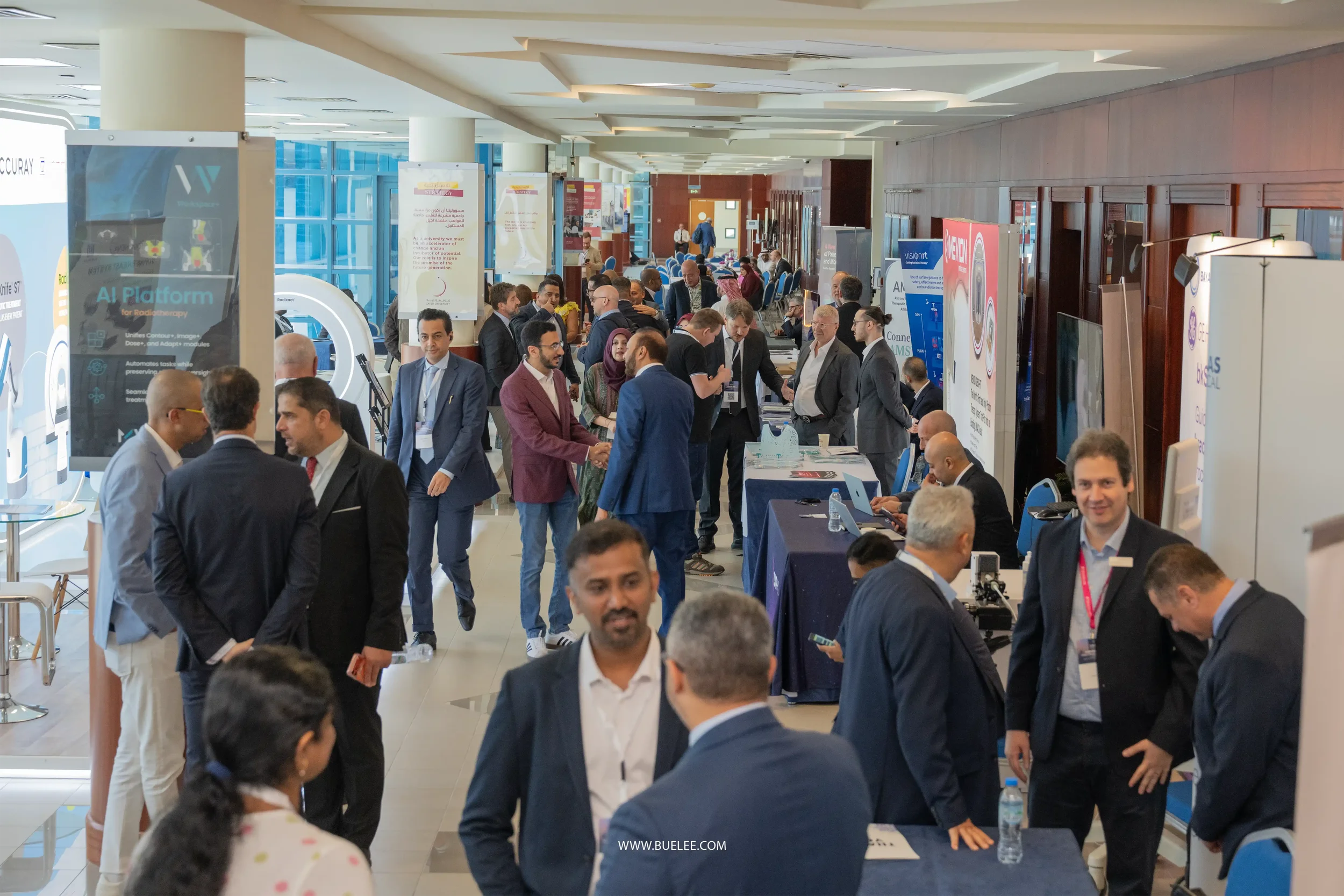
That last point matters more than most people expect. Corporate events in Dubai increasingly run multi-track programmes — several sessions happening in different rooms at the same time — and a single videographer simply can't be in two places at once. A team that scales its crew size to the shape of the event, rather than sending one person regardless of how the day is structured, is the difference between full coverage and a highlight reel with obvious gaps in it.
Getting More Out of Event Video Than a Single Highlight Reel
Most businesses book event videography with one deliverable in mind — a highlight reel for LinkedIn or a recap for internal comms. That's a reasonable starting point, but it also leaves value on the table if it's the only thing planned for.
The same footage from a well-covered corporate event can usually support more than one output: a short highlight reel for social, a longer recap for a company newsletter or town hall, individual speaker clips pulled from interview segments, and raw b-roll that a marketing team can draw on for future campaigns without booking a separate shoot. None of this requires extra time on the day — it just requires planning for it before the event, so the shot list captures footage broad enough to be repurposed rather than footage that only makes sense as one finished cut.
This is also where dedicated audio and multi-camera coverage pay off twice over. Clean, separately recorded audio means an interview clip can be pulled and used on its own months later without needing to be re-edited around noise. Multi-camera footage means a single moment — an award being presented, a partnership being announced — can be reframed for a square social post, a widescreen recap video, or a vertical Story format, all from the same original capture.
Turnaround Expectations, Realistically
It's worth setting expectations here rather than leaving them vague. A short highlight reel — 60 to 90 seconds, cut for social — can typically be turned around within a few working days of the event, especially if the shot list was planned with that specific output in mind. Fuller edits — a 3 to 5 minute recap, individual interview cuts, or a full keynote recording — take longer, since they involve reviewing and structuring more footage rather than pulling a handful of standout moments.
The right question to ask a corporate videographer isn't “how fast can you deliver everything,” but “what's the fastest deliverable you can commit to, and what's the realistic timeline for the rest.” A team that gives a vague “soon” instead of specific working days for each deliverable is usually a team that hasn't built turnaround into their actual workflow.
Why This Matters for How We Approach Event Videography
As a corporate videographer working on events across Dubai, our approach starts with the same question every time: what does this video need to do once the event is over? That shapes the crew size, the camera setup, the audio plan, and the turnaround — before a single frame is shot. Whether it's a single-stage conference or a multi-room event with parallel sessions and back-to-back interviews, the planning principle stays the same: build the coverage plan around the actual programme, not a simplified version of it.
If you're planning a corporate event in Dubai and want video coverage that's built around what you'll actually use it for — not just “someone filming the room” — that's exactly the kind of brief we're set up for. Get in touch with your event details and we'll put together a coverage and edit plan before the event, not after.